

Edited By: Haroon Mumtaz
The digital marketing landscape of 2026 represents the culmination of a decade-long transition from isolated digital modernization projects to a unified era of value orchestration. In this mature stage of digital transformation, enterprises no longer view technology as a series of disparate tools but as a holistic operating system where direction, governance, and execution operate in a single, intelligent loop.
The year 2026 is defined by a shift where the adoption phase has concluded, and the orchestration phase has begun, demanding that marketing leaders institutionalize transformation as a repeatable capability to maintain competitive agility and consumer trust.
This comprehensive evolution is characterized by the dominance of autonomous agentic systems, the total reconstruction of the search funnel through generative engines, and a fundamental move toward privacy-first, community-driven brand authority.
The Paradigm Shift to Agentic and Autonomous Marketing
By 2026, artificial intelligence has transitioned from a generative assistant to the strategic operating system of the marketing department. The most profound development in this era is the rise of agentic AI specialized software systems capable of autonomous reasoning, decision-making, and execution across the entire marketing lifecycle.
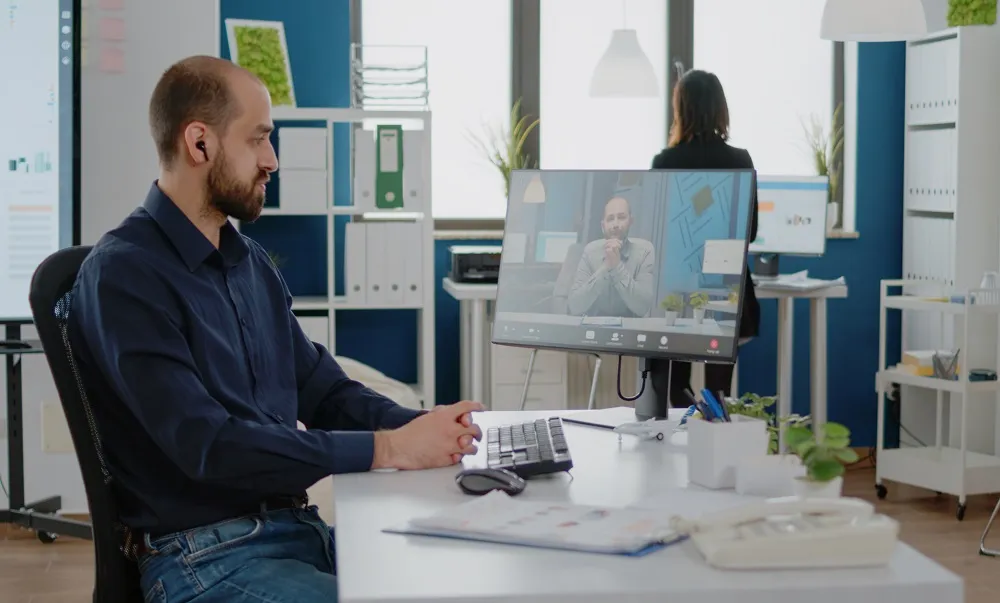
Unlike the static automation of previous years, agentic systems independently plan, act, and adjust their strategies based on real-time data feedback loops, reducing the manual burden on human teams while increasing operational efficiency and precision.
The Four Levels of Marketing Autonomy
The progression of AI autonomy in 2026 is best understood through a hierarchical framework similar to autonomous vehicles. Level 1 represents simple rule-based automation with fixed sequences, such as basic email triggers.
Level 2 introduces dynamic workflows where sequences are determined by language models or logic. Level 3 features partially autonomous agents that can plan and execute complex tasks with minimal oversight.
Finally, Level 4 represents fully autonomous systems that set their own goals, learn from every outcome, and operate with almost zero human input, effectively managing budgets and creative rotations in real-time.
| Autonomy Level | Characteristics | Marketing Application in 2026 |
| Level 1: Rule-Based | Fixed sequences; reactive | Simple auto-responders and scheduled social posts |
| Level 2: Workflow | Logic-driven; dynamic sequences | A/B testing variations; basic chatbot support |
| Level 3: Partially Autonomous | Planning and execution with oversight | AI-driven bidding in Performance Max; content repurposing |
| Level 4: Fully Autonomous | Self-goal setting; continuous learning | End-to-end campaign management; predictive churn intervention |
Frameworks and the Coordination Layer
The deployment of these agents is supported by sophisticated AI agent frameworks such as LangGraph, CrewAI, and Microsoft Semantic Kernel.
These frameworks provide the standardized abstractions necessary to build multi-agent systems where specialized agents collaborate on multifaceted problems. For example, a “crew” of agents might include one specialist for lead qualification, another for personalized outreach drafting, and a third for CRM synchronization.
This coordination layer allows organizations to run core business workflows at a scale previously impossible, with Gartner predicting that by 2026, 40% of enterprise applications will incorporate task-specific AI agents.
The economic implications of this shift are staggering. Autonomous systems are projected to add trillions of dollars to global GDP by reducing innovation cycles and operational costs.
In the context of 2026, the competitive advantage is no longer found in simply using AI, but in the ability to train, govern, and trust these agentic systems responsibly.
High-performing teams focus on “human-in-the-loop” controls, where agents pause for approval on sensitive tasks like contract modifications or high-value payment processing, ensuring that brand safety and ethical standards are maintained.
The Reconstruction of Search and Discovery
The traditional search engine results page, once dominated by the “ten blue links” model, has been entirely superseded in 2026 by an ecosystem of AI-powered answer engines and social-first discovery behaviors.
The fundamental nature of how information is sought and consumed has moved from a keyword-centric model to an intent-driven, conversational interaction.
Generative Engine Optimization (GEO) and Topical Authority
The emergence of Search Generative Experience (SGE) and AI Overviews has rewritten the rules of visibility. In 2026, being “cited” by an AI engine as a trusted source is more valuable than ranking for a specific keyword.
AI engines like ChatGPT, Gemini, and Perplexity utilize a functionality known as “query fan-out,” where the system expands the user’s initial query to include related topics and sub-intentions to provide a comprehensive, synthesized response.
To adapt, marketers have moved away from targeting isolated keywords toward building “topical authority” through interconnected content ecosystems.
This involves creating deep-dive assets that address the “why” behind a user’s query rather than just the “what“. Content that demonstrates Experience, Expertise, Authoritativeness, and Trust (E-E-A-T) is prioritized by AI systems, especially when it includes verifiable citations, transparent authorship, and original research.
The Zero-Click Reality and Brand Citations
Zero-click searches now dominate the landscape, with approximately 69% of search journeys ending without a click to a third-party website.
While traditional organic traffic has seen significant declines estimated between 18% and 64% depending on query type the traffic that does reach a brand’s site is of significantly higher intent. Users arriving via an AI overview have already been pre-qualified by the summary, making them more likely to convert.
In this environment, brand mentions across trusted secondary sources such as forums, podcasts, reviews, and social channels have become critical drivers of “AI authority”.
AI systems aggregate these references to determine which brands are most reputable in a given category. Consequently, the goal of 2026 SEO is no longer just clicks, but pervasive visibility across the entire discovery ecosystem.
| Search Metric | 2024 Benchmark | 2026 Projection |
| Zero-Click Search Rate | ~56% | ~69% |
| AI Overview Presence | ~26% (Experimental) | ~29%+ (Mainstream) |
| Traditional Organic CTR | Baseline | 18% – 64% Decrease |
| Conversion Quality | Standard | High (Pre-qualified by AI) |
| Focus Area | Keyword Ranking | Topical Citation & Authority |
Social Search and the Fragmentation of Discovery
Discovery is no longer Google-first. For younger demographics, platforms like TikTok, Instagram, and YouTube have become the primary search engines.
Approximately 24% of consumers now conduct searches directly on social channels, making every post a searchable asset.
This shift necessitates a “Search Everywhere Optimization” strategy, where captions, titles, hashtags, and even spoken video content are optimized with keywords to ensure discoverability within these platform-specific search graphs.
The Privacy-First Data Revolution and Cookieless Targeting
By 2026, the digital marketing world has fully entered the era of no third-party cookies. The regulatory landscape, spearheaded by the GDPR and CCPA, coupled with technical changes in browsers like Chrome, Safari, and Firefox, has made the collection of user data without explicit consent illegal and technically difficult.
In response, data has been elevated from a simple input to a form of strategic capital.
First-Party and Zero-Party Data Strategies
The demise of third-party cookies has forced a pivot toward first-party and zero-party data—information that customers voluntarily share or that is collected through direct brand interactions.
Strategic data collection in 2026 focuses on building a “value exchange,” where users provide data in return for personalized benefits, exclusive content, or loyalty rewards.
This approach reduces privacy risks by roughly 80% compared to third-party data reliance and increases data accuracy significantly, with first-party recognition reaching up to 92% accuracy.
Organizations are implementing “Privacy by Design,” ensuring that data minimization is a core principle. This means collecting only what is necessary for specific marketing objectives and maintaining transparent governance over how that data is processed by AI systems.
For AI agents to function effectively, they require “agent-ready data” structured, real-time data categorized by its consent status and sensitivity.
Privacy-Enhancing Technologies (PETs) and Clean Rooms
To maintain personalization without violating privacy, marketers are adopting Privacy-Enhancing Technologies (PETs).
Data Clean Rooms have become the standard for secure collaboration between brands and publishers, allowing for audience matching using hashed identifiers without revealing personally identifiable information (PII).
Technologies like anonymization, secure multi-party computation (SMPC), and the generation of synthetic customer data for modeling have moved from experimental to mainstream, allowing for advanced analytics that respect user autonomy.
| Privacy Aspect | Third-Party Cookie Era | Privacy-First Era (2026) |
| Data Source | Aggregated, opaque 3rd parties | Owned 1st & 0-party data |
| Accuracy | ~65% | ~92%+ |
| Tracking Method | Client-side cookies/pixels | Server-side tagging & authenticated sessions |
| Compliance | Reactive (GDPR/CCPA) | Proactive (Privacy by Design/AI Act) |
| Collaboration | Direct data sharing | Data Clean Rooms & PETs |
The Creator Economy: From Reach to Co-Creation
The creator economy has reached a valuation of approximately $33 billion by 2025, and in 2026, it serves as a primary pillar of digital strategy.
The focus has shifted from “paying creators for reach” to “co-creating with creators” for authenticity, product development, and community building.
Creators are no longer just conduits for ads; they are strategic partners who often own a stake in the creative outcome.
Long-Term Partnerships and Professional Creators
In 2026, the era of one-off influencer campaigns has ended. High-performing brands are building ongoing creator programs and long-term ambassadorships.
Creators have professionalized, viewing themselves as media brands with their own reputations to protect. They are increasingly selective about brand alliances, favoring partnerships that allow for evocative storytelling and genuine integration into their content.
Micro and nano-influencers are particularly valued in 2026 for their niche affinity and higher engagement rates.
Research indicates that these smaller creators often outperform celebrities in terms of ROI and customer trust.
Brands are reallocating funds from traditional media to these creator-focused strategies, with nearly two-thirds of brands increasing their creator budgets year-over-year.
The Rise of Synthetic and Virtual Influencers
A disruptive trend in 2026 is the growth of virtual and synthetic influencers AI-driven characters that possess the potential to rival human creators in influence.
While consumer trust in these entities is a “mixed bag,” they offer brands total control over their identity and messaging, making them ideal for sectors like crypto and social media where brand-controlled narratives are paramount.
Brands that cannot find a human creator aligned with their specific mission are now building their own synthetic personas to resonate with their target audience at scale.
Immersive Retail and the Spatial Web
The year 2026 represents the “Android moment” for the AR/VR industry, where hardware capabilities have finally been met with a stabilized, high-growth software ecosystem.
Spatial computing is moving from an acquisition phase (buying devices) to a utilization phase, where value is derived from immersive content platforms and AI-driven spatial services.
Augmented Reality (AR) as a Conversion Catalyst
AR has transitioned from a futuristic concept to a mainstream tool for “visual trials” in retail. Consumers increasingly prefer brands that offer AR-powered experiences, such as virtual try-ons for makeup (Sephora) or furniture placement (IKEA).
These immersive experiences reduce purchase hesitation and significantly lower return rates often by as much as 20% to 30% by providing accurate visualizations of products in a real-world context.
| Brand Case Study | Technology Deployed | Measurable Impact |
| IKEA | AR Furniture Visualization | 20% decrease in returns; 30% increase in CTR |
| Sephora | AI/AR Virtual Artist | 30% drop in returns; 25% increase in AOV |
| Walmart | VR Employee Training | 96% reduction in training time (8 hours to 15 mins) |
| Samsung | TikTok AR #VideoSnapChallenge | 14.8 billion views; 6.5 million content pieces created |
The Industrial Metaverse and Spatial Social Networks
Beyond consumer retail, the “Industrial Metaverse” is delivering massive efficiency gains. Organizations implementing large-scale VR for training report a 10% increase in operational efficiency, with companies like Boeing using AR to increase assembly speed by 25%.
Furthermore, spatial social networks are emerging, where digital natives attend virtual events with a sense of “presence” that traditional video calls cannot replicate. Looking toward 2030, analysts predict that AR eyewear will eventually begin to replace the smartphone as the primary digital interface.
Social Commerce and the Evolution of Retail Media
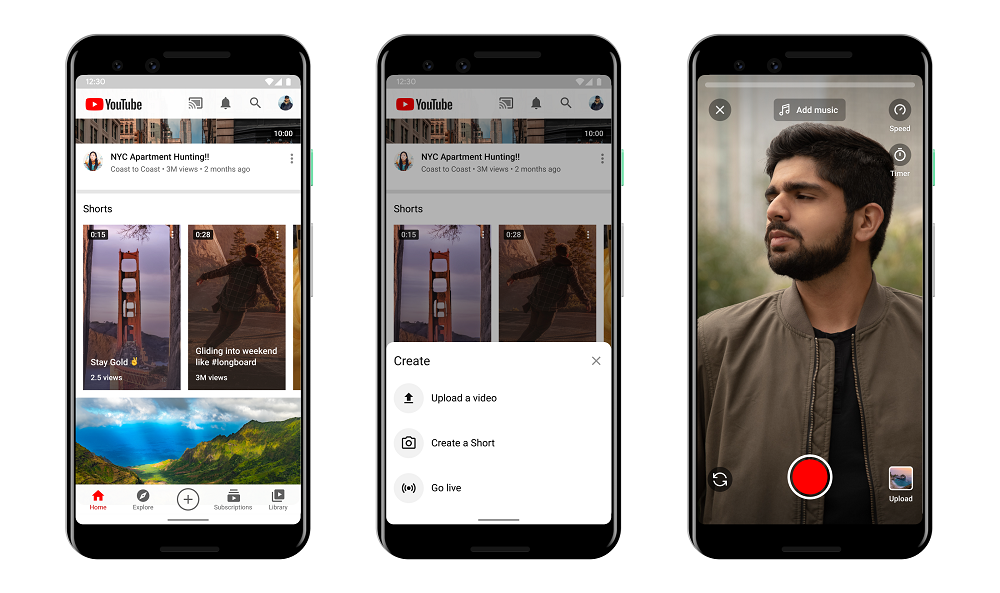
Social media platforms have evolved into full ecosystems combining content discovery, payments, and customer support. In 2026, social commerce the art of selling directly within a social app is a primary market disruptor, projected to grow by over 18% annually.
Shoppable Content and Live Shopping
The “link in bio” has become a relic of the past. Platforms now offer seamless, personalized in-app checkout options through TikTok Shop, Instagram Checkout, and Pinterest Shopping. Shoppable posts and live shopping events allow brands to reduce friction and capture impulse purchases at the moment of discovery.
Success in this channel hinges on creator authenticity; creators leverage audience trust to recommend products, effectively steering purchasing decisions through these integrated storefronts.
Retail Media Networks (RMNs) Go Mainstream
Retail Media Networks have moved from a niche offering to a core component of the media mix. Budgets are shifting closer to the point of purchase, with Amazon, Walmart, and Instacart ad spend growing faster than traditional platforms like Meta or Google.
Brands are treating Product Detail Pages (PDPs) like high-intent landing pages, coordinating retail promotions with paid social and creator bursts to maximize impact.
Measurement, ROI, and Marketing Mix Modeling (MMM)
Attribution has become significantly more challenging in 2026 due to privacy regulations and non-linear customer journeys. As a result, organizations are relearning ROI through Marketing Mix Modeling (MMM) and a focus on incremental revenue.
From Clicks to Incremental Revenue
Vanity metrics like impressions and clicks are being deprioritized in favor of revenue as the only metric that truly matters.
Measurement frameworks are being deployed to link media spend directly to business outcomes such as customer lifetime value (CLV) and margin.
Predictive analytics platforms now model customer journeys and estimate conversion likelihood long before transactions occur, allowing for more precise budget allocation.
The Re-emergence of MMM
Marketers are building or refining their MMM engines, integrating signals from both online and offline channels.
Open-source tools like Meta’s Robyn are being utilized to navigate the “walled-garden” signals of platforms while maintaining a holistic view of marketing performance. This shift transforms measurement from a descriptive dashboard to a predictive proof of value, ensuring that marketing remains a conduit to business outcomes.
Sustainability, Ethics, and the Human Edge
In 2026, sustainability and ethical AI usage have shifted from marketing stories to foundational operating principles. Consumers, particularly Gen Z and Millennials, demand that brands demonstrate transparency and social responsibility in every aspect of their operations.
Sustainability as a Competitive Advantage
Sustainability-driven digital programs are delivering significantly higher ROI, with Accenture reporting an 18% increase for such initiatives. Consumers are rewarding brands that provide “green proof” rather than just “green claims,” favoring measurable metrics like energy efficiency and longevity over broad environmental statements.
The circular economy has become a key driver of growth, with brands like Patagonia and IKEA leading the way in promoting repair, reuse, and recycling as core value propositions.
| Sustainability Metric | Impact in 2026 | Consumer Sentiment |
| Sustainability Premium | 62% of consumers willing to pay 20%+ extra | High demand for “Green Proof” |
| Growth Rate (Purpose-Led) | 69% faster than competitors | Principle-based buying is dominant |
| Circular Economy Impact | Potential to slash emissions by 40% | Favoring repair, reuse, and recycling |
| Search Growth (Eco-goods) | 71% increase over 5 years | Sustainability is a primary search filter |
Ethical AI and the Human-in-the-Loop
As AI adoption accelerates, the risk of “AI sameness” where content becomes generic and indistinguishable is a major challenge for marketers. Audiences are responding more strongly to experiences that reflect emotional nuance, clarity, and authenticity.
Ethical AI marketing requires a commitment to transparency, disclosing when AI influences interactions and actively mitigating algorithmic bias.
The “Human Edge” remains essential. Successful brands in 2026 are those that invest in upskilling their teams in data literacy and AI fluency while ensuring that human creativity and strategy steer the direction of autonomous systems.
Web3 and Decentralized Marketing Platforms
Web3 marketing in 2026 is defined by utility, community ownership, and hyper-transparent analytics. The shift from brand-driven to community-driven growth has placed the user at the center of the ecosystem.

Tokenized Loyalty and Decentralized Social (DeSoc)
Traditional loyalty programs are being replaced by blockchain-based tokens that offer real utility, liquidity, and governance rights. Decentralized social media networks (DeSoc) like Lens and Farcaster have matured, allowing users to own their data and accounts without reliance on opaque algorithms.
Marketers are adapting by hiring native creators who understand decentralized culture and by investing in on-chain analytics to extract insights while respecting user pseudonymity.
The Convergence of AI and Web3
Artificial intelligence and Web3 technologies are converging to enable personalized yet trustless marketing. Using zero-knowledge proofs and user-controlled data vaults, AI models can now operate on permissioned wallet data without compromising user sovereignty.
This maturity signifies that the crypto industry has moved past speculative hype into a foundational technological infrastructure.
Strategic Imperatives for the 2026 Marketer

To thrive in this radically reconstructed landscape, organizations must move beyond experimentation and embed these trends into their repeatable institutional capabilities. The advantage in 2026 belongs to those who view technology as an engine, data as capital, and talent as the ultimate differentiator.
The path forward requires a focus on three pillars: data literacy to navigate a cookieless world, AI fluency to govern and scale autonomous agents, and cross-channel orchestration to deliver a cohesive narrative across the fragmented discovery ecosystem.
As the boundary between commerce, community, and entertainment continues to dissolve, the brands that win will be those that provide authentic, immersive, and ethically-grounded experiences that connect with audiences on a deeply personal level.
By prioritizing transparency and value exchange, marketers can build the long-term trust and authority necessary to set the benchmark for agility in the decade to come.